
The Impact of Social Media on Mental Health
The MIND 24-7 Team | March 30, 2026
Social media has become a constant presence in daily life. It shapes how people connect, consume information, and see themselves. While it can foster community and provide access to resources, it also plays a complex role in mental health, influencing emotions, behaviors, and overall emotional well-being in ways that are not always obvious.
Understanding that impact is essential because the goal is not to eliminate social media but to use it in a way that supports healthier thinking, stronger relationships, and more intentional engagement.
The Double-Edged Nature of Social Media
At its best, social media creates connections. It allows people to maintain relationships and find support during difficult moments. For individuals who may feel isolated, it can provide a sense of belonging and visibility, helping their mental health.
At the same time, constant exposure to curated content can gradually influence how people assess themselves and their lives. Comparisons become automatic. Milestones seem to accelerate. And over time, this can affect confidence, mood, and perception.
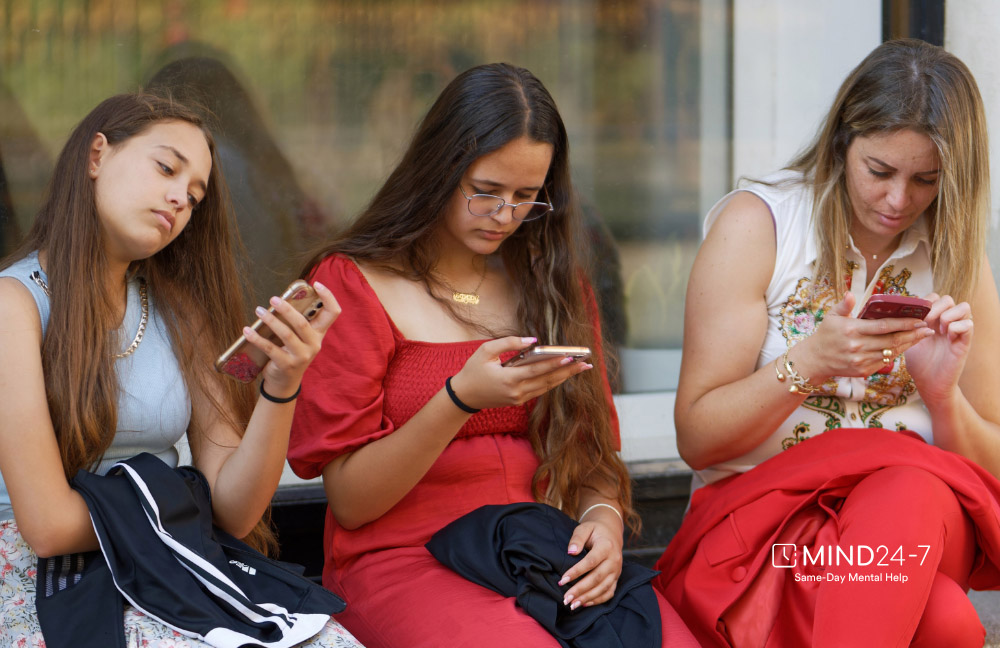
Research indicates that excessive social media use correlates with higher levels of anxiety and depression, especially when the use is passive or driven by comparison rather than being interactive and purposeful.
How Social Media Influences Emotional Well-being
The impact on emotional well-being is often less about the platform itself and more about how it’s used.
When engagement is intentional, such as connecting with friends, engaging in meaningful conversations, or accessing supportive content, social media can reinforce positive emotions and healthier connections.
However, when use becomes habitual or unstructured, several patterns can emerge:
- Increased comparison and self-doubt
- Heightened sensitivity to feedback or lack of engagement
- Disrupted sleep patterns due to constant scrolling
- Emotional fatigue from continuous information exposure
Over time, these patterns can affect how individuals process emotions and respond to stress, making it more difficult to maintain balance.
The Role of Healthy Boundaries
One of the best ways to protect mental health while engaging with social media is by setting healthy boundaries.
Boundaries create space for awareness. They allow individuals to remain in control of their engagement rather than reacting to it.
Healthy boundaries may include:
- Setting specific time limits for daily use
- Being intentional about who and what is followed
- Taking breaks when content begins to feel overwhelming
- Avoiding social media use during key moments, such as before sleep or immediately upon waking
These adjustments aren’t about restriction but about fostering a healthier relationship with digital spaces, which promotes stability instead of disrupting it.
Building Healthier Connections Online
Not all time spent on social media has the same impact. The difference often comes down to the quality of interaction.
Shifting from passive scrolling to active engagement can significantly improve the experience. This includes:
- Participating in conversations rather than only observing
- Following accounts that educate, uplift, or provide a meaningful perspective
- Engaging with communities that promote understanding and support
These behaviors help create healthier connections, reinforcing the idea that social media can be a tool for connection rather than comparison.
When to Pay Attention
It’s important to recognize when social media might be impacting mental health in a way that calls for adjustments.
Signs may include:
- Feeling consistently anxious, irritable, or discouraged after use
- Difficulty focusing or being present offline
- Increased reliance on validation through likes or comments
- Avoiding real-world interactions in favor of online engagement
When these patterns appear, it may be time to reassess usage habits and reestablish healthy boundaries.
A More Intentional Approach
Social media is not inherently harmful, nor is it entirely beneficial. Its impact is shaped by how it’s used, how often it’s used, and how it influences thought patterns and behavior.
A more intentional approach allows individuals to maintain control over their experience, protect their emotional well-being, and build healthier connections that extend beyond the screen.
When awareness rises, healthier habits can develop, and with proper support, balance becomes achievable.
At MIND 24-7, we understand that navigating modern stressors, including the influence of social media, is part of today’s mental health landscape. Support is available 24/7 for those who need guidance, connection, or care in the moment. No appointment needed. For more information, call or text 844.646.3247 or visit www.mind24-7.com.